Blog
Explore our library of insights, expertise, and current issues & trends in the healthcare industry.
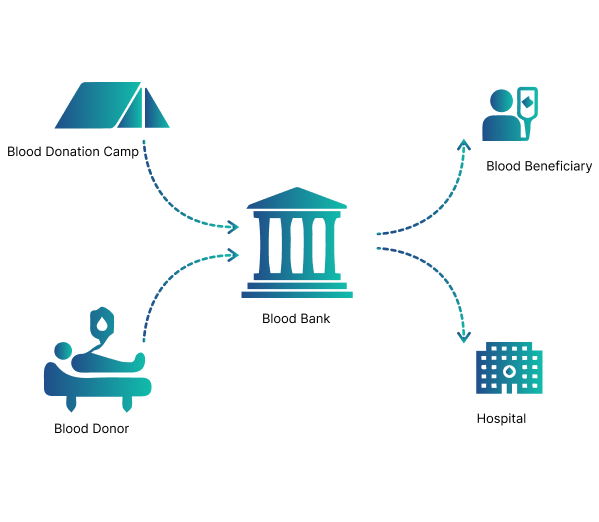
How to Choose the Right Blood Bank Software for Your Facility
A practical guide to evaluating donor workflows, inventory control, ABDM readiness, integrations, and vendor support — so your blood bank picks software that improves safety and availability, not just digitizes paperwork.
Read More
Why Every Blood Bank Needs Modern Management Software
Modern blood bank software digitizes donors, inventory, testing, and transfusion requests — reducing wastage and improving patient safety.
Read More
How RFID Is Transforming Traceability in Blood Banks
RFID brings real-time visibility to blood bags and cold-chain assets, speeding up inventory checks and strengthening haemovigilance.
Read More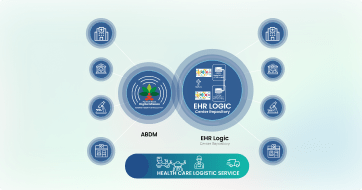
ABDM and the Future of Connected Healthcare in India
Ayushman Bharat Digital Mission is enabling consented, interoperable health data exchange across hospitals, labs, and blood services.
Read More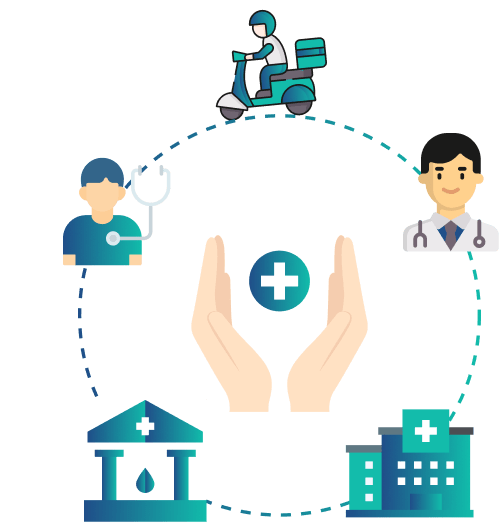
Digital Inventory Tracking: Ending Blood Shortages and Wastage
Live digital inventory helps blood banks prevent stockouts, cut expiry wastage, and fulfill hospital requests faster.
Read More
How to Choose the Right Blood Bank Software for Your Facility
A practical checklist for donor workflows, inventory, compliance, integrations, and vendor support when selecting blood bank software.
Read More
AI in Healthcare- Transforming Blood Banks and Hospitals
Artificial Intelligence (AI) is rapidly redefining the way healthcare operates, driving a shift from reactive to predictive, and from manual to intelligent decision-making. In critical areas like blood banks and hospital transfusion management.
Read More
How AI Is Redefining Safety and Efficiency in Blood Management Systems
In healthcare, every drop counts — quite literally. Blood banks form the backbone of emergency medicine, surgeries, and trauma care. Yet, inefficiencies in tracking, testing, and managing blood inventory often lead to shortages, wastage, or, worse, unsafe transfusions.
Read More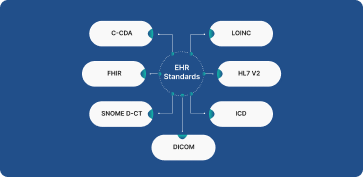
EHR Standards: Bridging the Gap between Healthcare Systems for Better Interoperability
Electronic health records (EHRs) have become an essential component of healthcare delivery in recent years. EHRs allow healthcare providers to access and share patient information in real-time, enabling more efficient and coordinated care.
Read More
EHR Centralized Repository - Health Digitalization
An Electronic Health Record (EHR) is a digital version of a patient's medical record, which includes their medical history, diagnoses, medications, test results, and other health-related information. EHRs are becoming increasingly popular as they provide an efficient and secure way to store, manage, and share patient health information between healthcare providers.
Read More
Smart Health Care Logistic System
Effective supply chain management requires careful planning, coordination, and communication between all parties involved in the supply chain. This includes manufacturers, distributors, healthcare providers, and patients. By streamlining the supply chain, healthcare providers can ensure that they have the resources they need to provide quality care, while reducing waste, cost, and inefficiency.
Read More